



In a dramatic turn of events, Guinea-Bissau has become the latest African nation to fall under military control. The November 2025 coup has sent shockwaves across West Africa, raising urgent questions about democracy, regional stability, and the future of civilian rule.
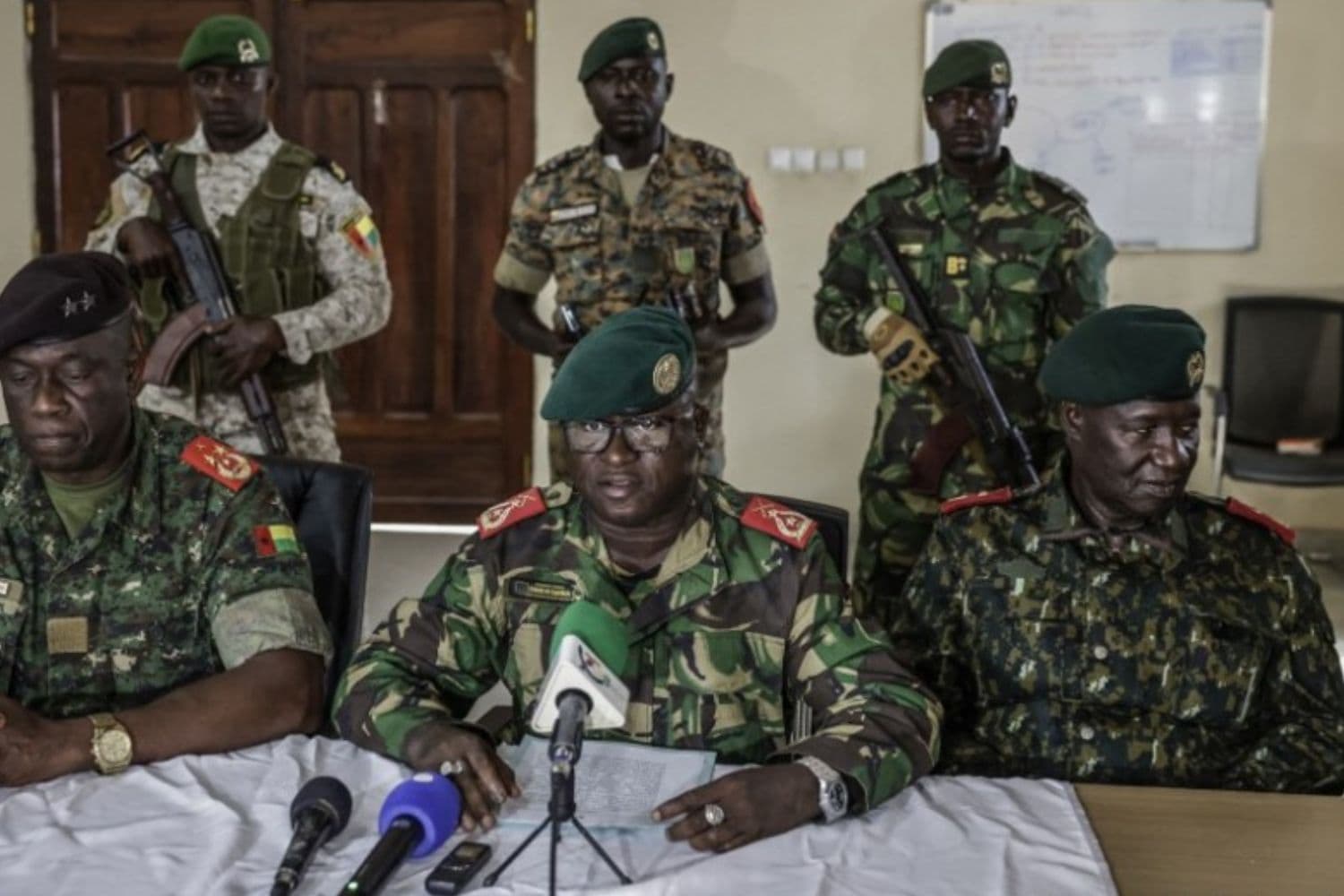
On November 27, 2025, just days after national elections, Guinea-Bissau’s military seized power, ousting President Umaro Sissoco Embaló. The coup unfolded swiftly:
Military forces stormed key government buildings, detaining senior officials and taking control of the capital, Bissau. President Embaló was reportedly detained and later fled to Senegal aboard a military aircraft. General Horta N’Tam, a high-ranking officer, declared himself head of a transitional government, citing “national security concerns” and “electoral irregularities.”
The coup occurred before the official results of the November elections were released, fueling speculation about the military’s motives and the legitimacy of the electoral process.
Guinea-Bissau’s coup is not an isolated incident—it’s part of a wider pattern of democratic backsliding in West Africa. Since 2020, countries like Mali, Burkina Faso, Niger, and now Guinea-Bissau have experienced military takeovers.
Key implications include, Regional Instability: The coup threatens to destabilize the fragile balance in the Gulf of Guinea, a region already grappling with insurgencies and economic hardship. Democratic Erosion: The military’s actions undermine electoral processes and embolden similar interventions elsewhere. Geopolitical Tensions: The coup places pressure on regional blocs like ECOWAS and international partners to respond.
The Economic Community of West African States (ECOWAS) swiftly condemned the coup, suspending Guinea-Bissau from its decision-making bodies and calling for a return to constitutional order. The United Nations, African Union, and European Union echoed these sentiments.
South Africa also issued a strong statement, denouncing the military takeover and urging the restoration of democratic governance.
Several underlying factors contributed to the military’s seizure of power: Electoral Tensions: Allegations of vote-rigging and lack of transparency in the November 2025 elections created a volatile political climate. Corruption and Governance Failures: Years of political infighting, weak institutions, and corruption eroded public trust in the civilian government. Military Discontent: Reports suggest growing dissatisfaction within the armed forces over unpaid salaries, lack of resources, and marginalization in national decision-making.
The path forward remains uncertain. General Horta N’Tam has promised a “transitional roadmap” leading to new elections, but no clear timeline has been provided. Civil society groups are demanding: Immediate release of detained officials, Restoration of constitutional order, and International oversight of future elections
Meanwhile, the risk of civil unrest and international sanctions looms large.