

Barcelona sealed their place as La Liga champions with a 2–0 victory over Real Madrid in El Clásico at Camp Nou, a result that will be remembered as one of the most symbolic triumphs in the club’s modern history. For the first time, Barcelona clinched the league title by defeating their greatest rivals head‑to‑head in the decisive match, a coronation that carried both sporting and cultural weight.
The match itself was a showcase of Barcelona’s dominance. Marcus Rashford opened the scoring with a stunning free kick, curling the ball into the top corner to ignite the stadium. Ferran Torres doubled the lead with a composed finish, and from that moment, the outcome was never in doubt. Barcelona only needed a point to confirm the title, but they chose to make a statement, and in doing so, wrote history.
Table of contents [Show]
A Season of Control
Barcelona’s path to the title was marked by consistency and control. From the opening weeks of the campaign, Hansi Flick’s side set the pace, blending tactical discipline with attacking flair. Their dominance was reflected in the table: a 14‑point lead over Madrid with three games still to play.
Key victories against Sevilla, Athletic Bilbao, and Atlético Madrid built momentum, but it was the Clasico win that defined the season. Flick’s side rarely looked troubled, and their ability to deliver in the biggest match of all confirmed their status as champions.
Flick’s Impact
Hansi Flick’s appointment has proven transformative. In his debut season, he delivered a domestic treble, and now he has overseen back‑to‑back league titles. His philosophy, high pressing, quick transitions, and trust in youth, has reshaped Barcelona’s identity.
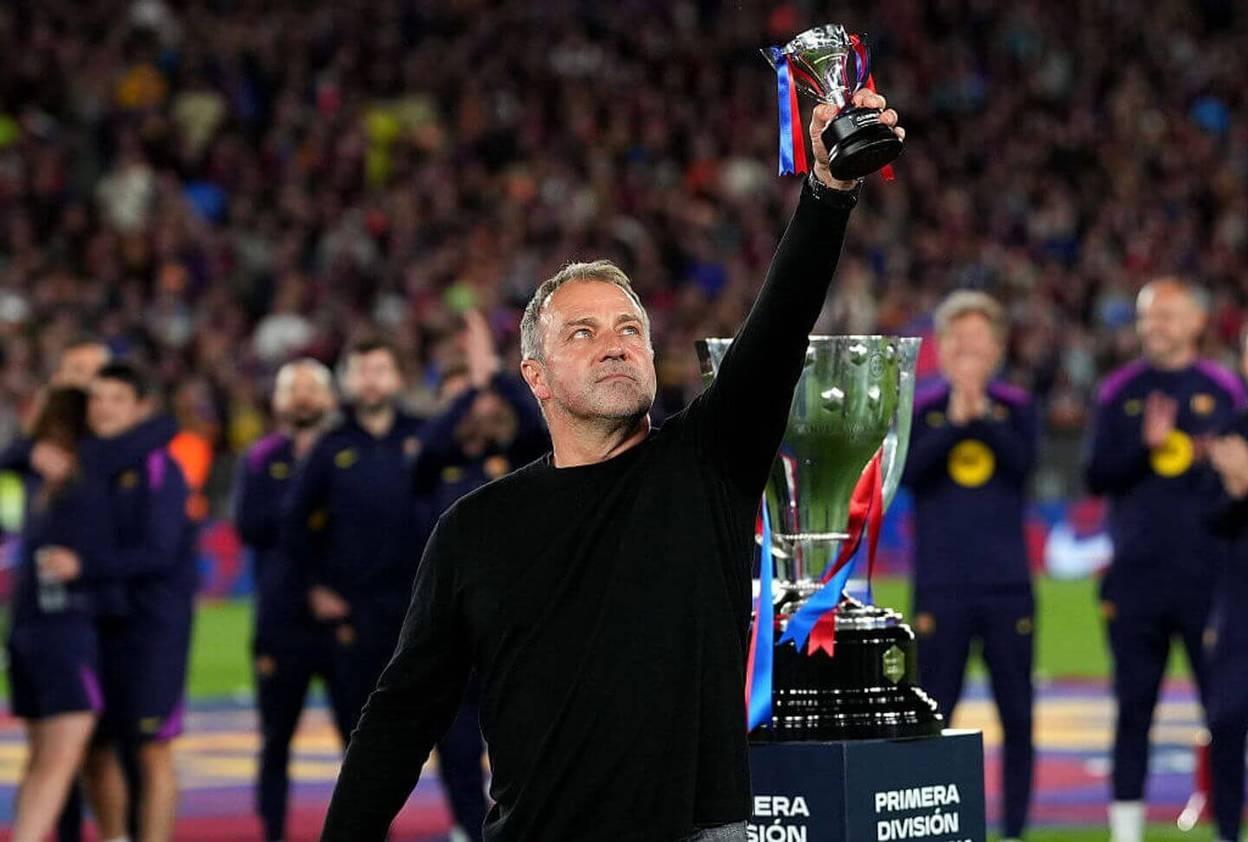
Under Flick, players like Gavi and Lamine Yamal have flourished. Rashford’s arrival added firepower, while Ferran Torres provided consistency. Flick’s ability to blend academy graduates with international stars has created a squad that is both balanced and dynamic.
The La Masia Renaissance
Barcelona’s famed academy, La Masia, has once again become central to the club’s success. Lamine Yamal, still a teenager, has emerged as one of Europe’s brightest talents. His creativity and fearlessness recall the days when Messi, Xavi, and Iniesta first broke through.
Gavi’s leadership in midfield, López’s composure, and the contributions of other academy graduates have given Barcelona a unique identity. This is not just a team of signings; it is a club rooted in its traditions, proving that La Masia remains a pipeline of excellence.
Real Madrid’s Struggles
For Real Madrid, the defeat symbolized a season of frustration. Alvaro Arbeloa’s side never truly looked capable of challenging Barcelona. Injuries, tactical missteps, and the absence of Kylian Mbappé, who did not make the squad, left Madrid vulnerable.
Dean Huijsen’s late withdrawal due to illness compounded their problems. By the final whistle, Madrid players were applauding their fans in apology, acknowledging that they had fallen short both in the Clasico and in the league campaign.
Historical Parallels
Barcelona’s victory recalls other defining moments in La Liga history. Under Pep Guardiola in 2013, Barcelona set the record for the biggest winning margin, finishing 15 points clear. Under Luis Enrique in 2015, they sealed the treble with Messi at his peak.
But never before had Barcelona clinched the title by defeating Madrid directly in El Clásico. This adds a new chapter to the rivalry, one that will be replayed in highlight reels for years to come.
Cultural Significance
El Clásico is more than a football match. It is a clash of identities, histories, and regions. For Catalonia, defeating Madrid to win the league carries symbolic weight. It is a moment of pride that resonates beyond sport, reinforcing Barcelona’s motto: Més que un club, more than a club.
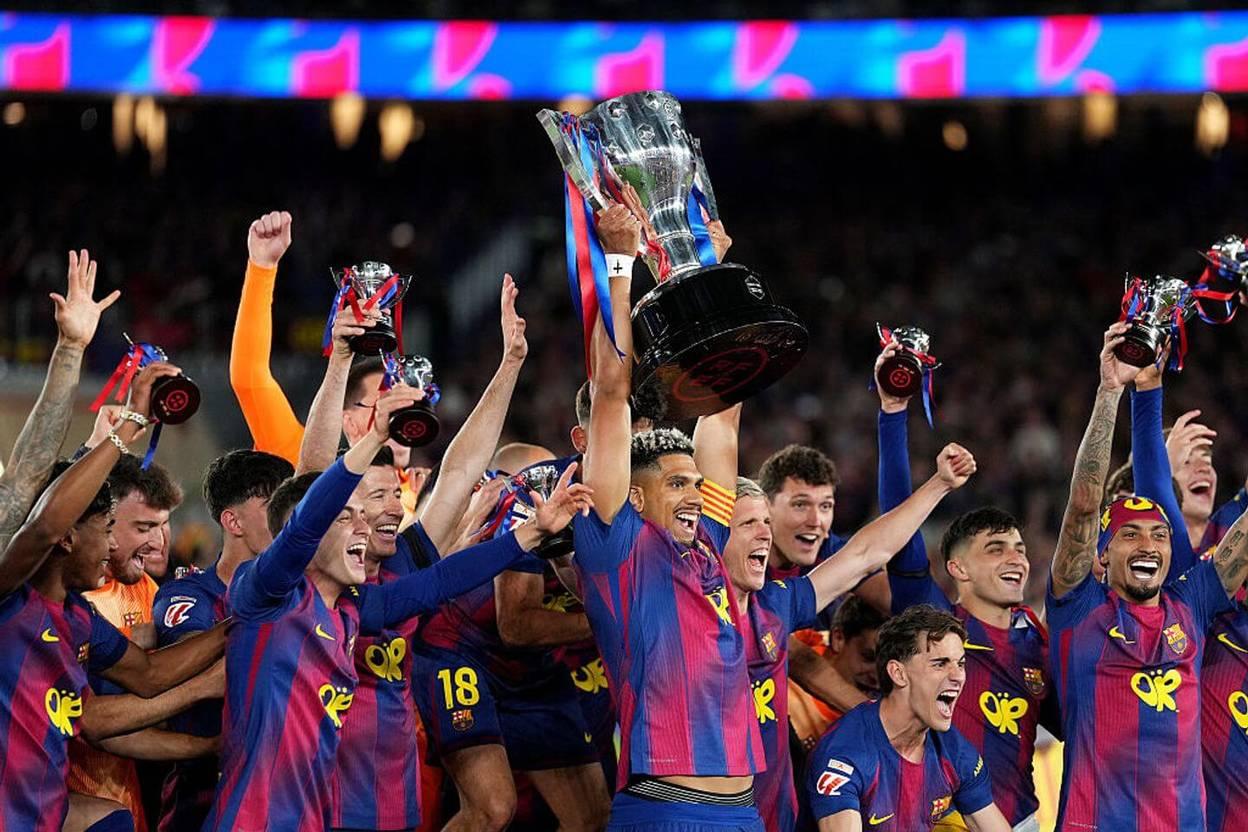
The celebrations across Catalonia reflected this deeper meaning. Fans saw not just a trophy, but a victory over their greatest rivals in the most decisive way possible.
Barcelona still have three fixtures left, against Alavés, Real Betis, and Valencia. Flick has hinted that he wants his team to chase records. Maximum points would take them to 100 for the season, and they could break their own record for the biggest winning margin.
For young stars like Yamal and Gavi, the remaining games are an opportunity to continue building confidence. For veterans, it is a chance to cement their legacy in one of Barcelona’s most dominant eras.
Madrid must regroup. With games against Real Oviedo, Sevilla, and Athletic Bilbao still to play, Arbeloa’s side will aim to salvage pride. But bigger questions loom: recruitment, tactical direction, and whether the squad has the depth to challenge Barcelona.
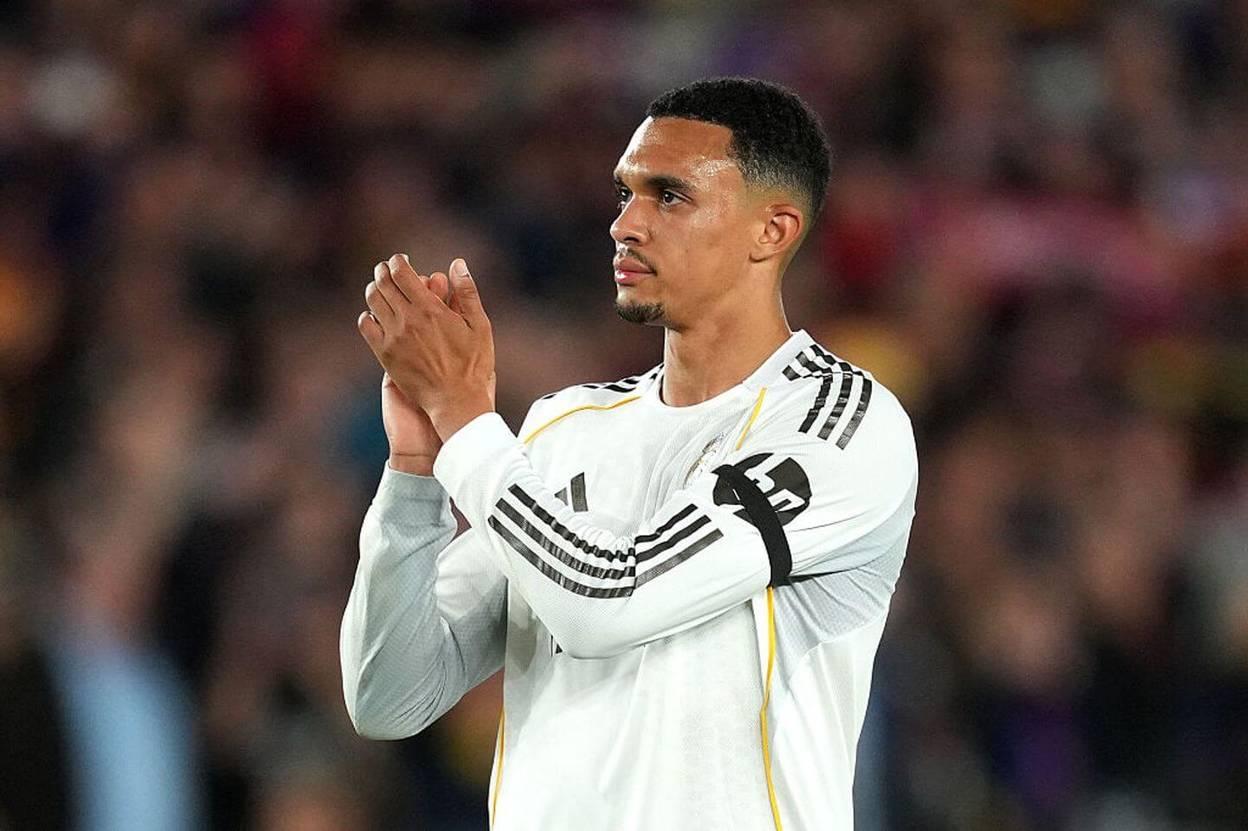
The absence of Mbappé in such a crucial match will fuel speculation about his future role. Madrid’s supporters expect more, and the club’s leadership will face pressure to respond decisively.
European Ambitions
Barcelona’s domestic dominance raises expectations for Europe. Flick’s side will be judged not only by their success in Spain but by their ability to compete in the Champions League. The integration of youth and experience has given them depth, but European competition will test their resilience.
For Madrid, the challenge is to rebuild and reassert themselves on the continental stage. Their history demands it, and their supporters will not settle for domestic disappointment alone.
Barcelona’s 2–0 victory over Real Madrid in El Clásico was more than a match. It was a coronation, a statement, and a piece of history. The league title was secured in the most symbolic way possible, by defeating their greatest rivals in front of a jubilant Camp Nou.
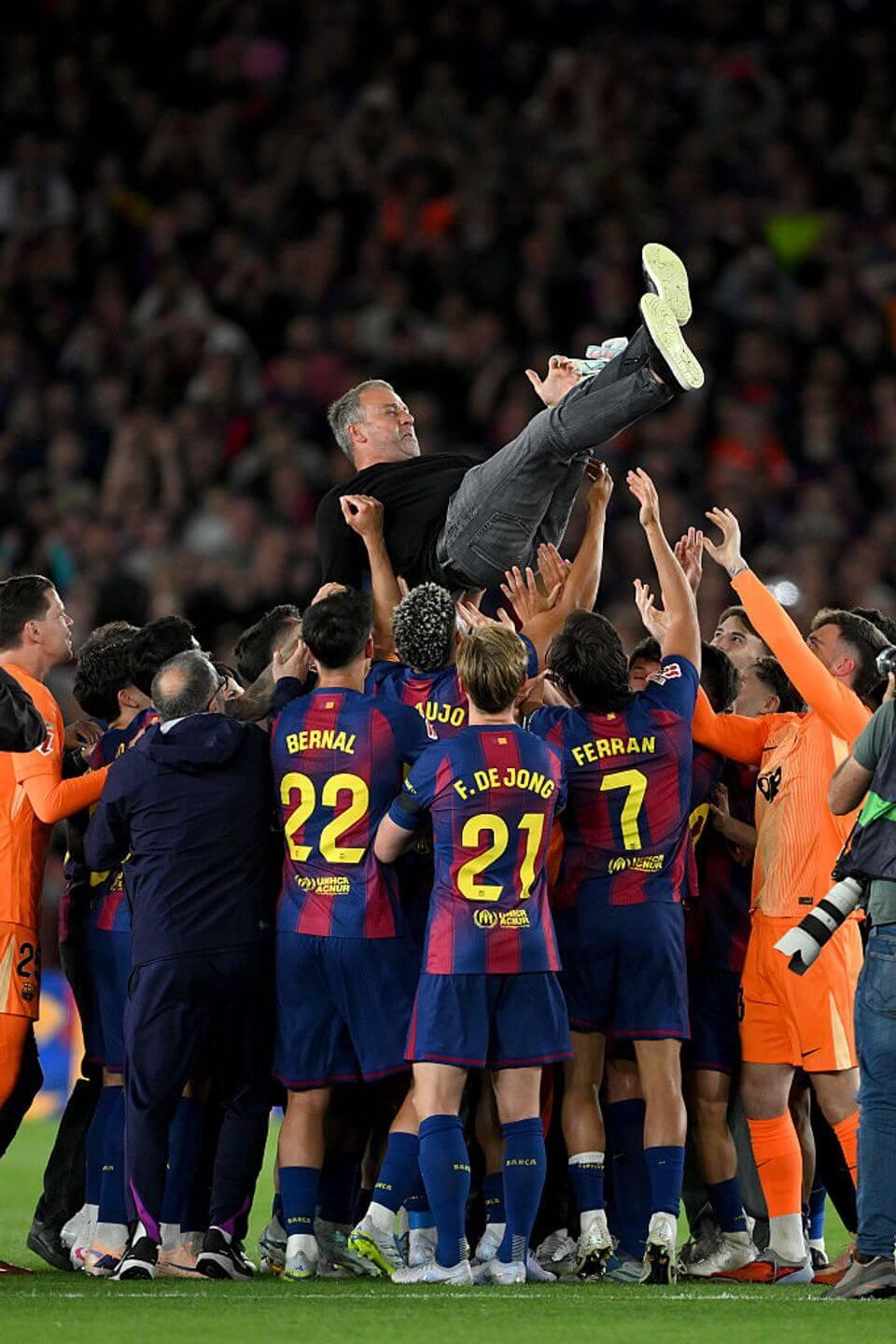
For Hansi Flick, it is another chapter in a remarkable managerial journey. For Barcelona’s players, especially the new generation from La Masia, it is the beginning of what could be a golden era. And for Real Madrid, it is a sobering reminder that dominance is never guaranteed.
As the celebrations continue in Barcelona, the rest of Spain, and indeed the footballing world, will reflect on a Clasico that was more than a game. It was history in motion.