Julius Malema Sentenced to Five Years: What It Means for South Africa
Julius Malema sentenced to five years for firearm offenses. His appeal could reshape South Africa’s politics, justice system, and democratic institutions.
Loading...

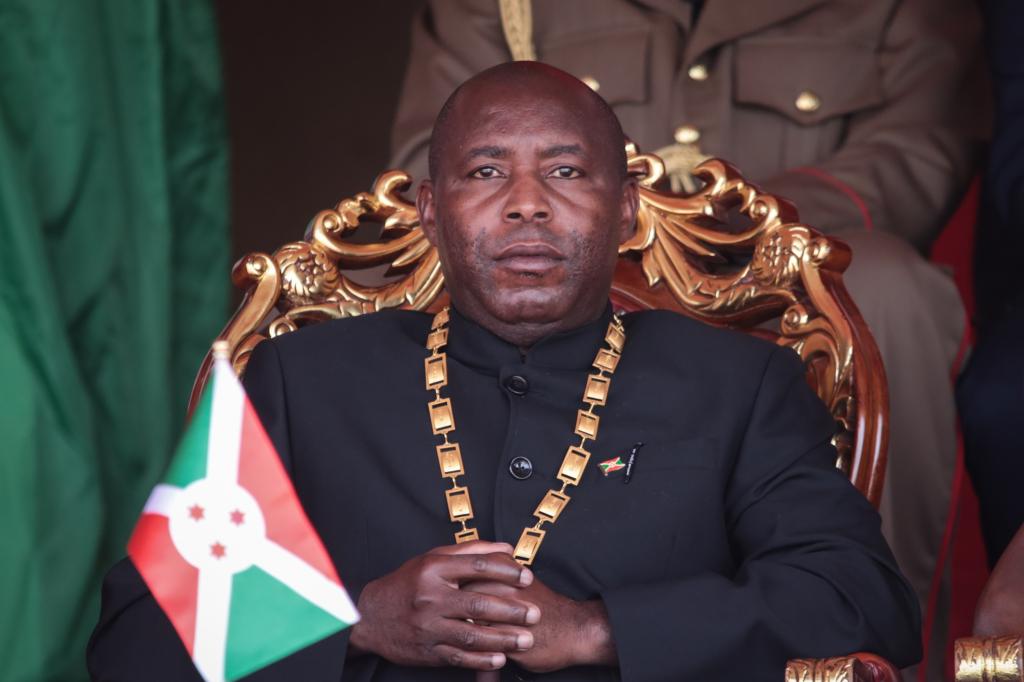
Burundi’s ruling CNDD‑FDD nominates President Évariste Ndayishimiye for the 2027 election, sparking debate over governance, rights, and the nation’s future.
Burundi’s ruling party, the National Council for the Defense of Democracy – Forces for the Defense of Democracy (CNDD‑FDD), has officially named President Évariste Ndayishimiye as its candidate for the country’s upcoming presidential election, expected in 2027. The announcement positions the 57‑year‑old leader to seek another seven‑year mandate at the helm of the East African nation.
Table of contents [Show]
The CNDD‑FDD confirmed the nomination during an extraordinary congress, declaring Ndayishimiye its choice to lead the party into the next election. In a statement shared on X and Facebook, the party praised his leadership since 2020, when he succeeded longtime president Pierre Nkurunziza following his sudden death.
Ndayishimiye responded with gratitude, thanking party members for their trust:
“I pledge to continue the work we are doing, with all of you, so that every Burundian can prosper in peace.”
Opposition voices have dismissed the nomination as undemocratic. Epitace Nshimirimana, spokesman for the Movement for Solidarity and Development (MSD), argued:
“This means he is being given another seven years to go on impoverishing and destroying the country.”
Critics highlight ongoing shortages of fuel, foreign currency, and basic necessities, accusing Ndayishimiye’s government of failing to deliver on promises of reform.
Since taking office, Ndayishimiye has oscillated between gestures of political openness and maintaining tight control:
Burundi’s political landscape remains scarred by the 2015 crisis, when Nkurunziza’s bid for a third term sparked violent repression. The International Criminal Court estimates at least 1,200 people were killed and 40,000 forced into exile during that period.
With the CNDD‑FDD’s backing, Ndayishimiye enters the race as the clear favorite. However, questions remain about whether the election will meet international standards. Observers expect continued scrutiny from rights groups, regional bodies, and global partners as Burundi prepares for another pivotal vote.
Julius Malema sentenced to five years for firearm offenses. His appeal could reshape South Africa’s politics, justice system, and democratic institutions.
Hungary ends Viktor Orbán’s 16‑year rule as Páv Magyar wins landslide, pledging reforms and closer EU ties in a historic pro‑European shift.
ZANU‑PF is pushing a controversial constitutional amendment in Zimbabwe to extend presidential powers and weaken direct voting rights. Public hearings have been marred by violence, intimidation, and bussing of supporters, raising fears of democratic backsliding.