Deadly Tornadoes Rip Across Michigan and Oklahoma
Tornadoes devastate Michigan and Oklahoma, killing at least four, injuring dozens, and prompting emergency declarations as recovery efforts continue.
Loading...

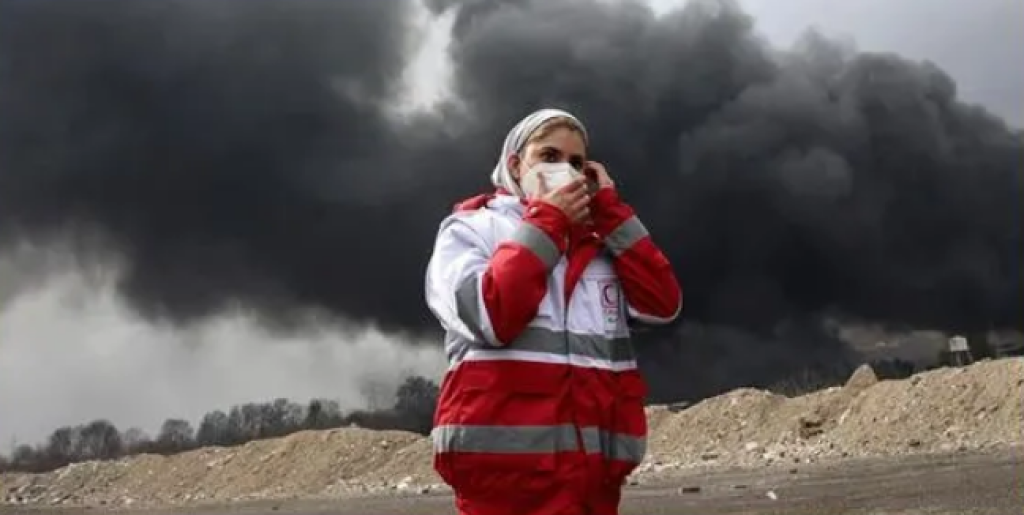
WHO warns of health risks from “black rain” in Iran after oil facility strikes, urging residents to stay indoors as toxic fallout threatens respiratory health.
The World Health Organization (WHO) has endorsed Iran’s recommendation for residents to stay indoors, warning that “black rain” and toxic air following strikes on oil facilities pose serious respiratory risks.
Table of contents [Show]
WHO spokesperson Christian Lindmeier told reporters in Geneva that the combination of black rain and acidic fallout is “indeed a danger for the population, respiratory mainly.” The agency’s office in Tehran has received numerous complaints of oil‑laden rain since U.S.–Israeli strikes began on February 28.
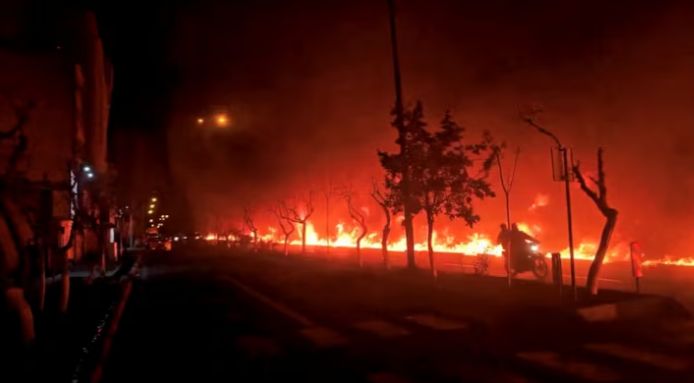
At least four oil facilities in Tehran have been hit, choking the capital with smoke and haze. Photos from Shahran showed scorched structures, burning tankers, and firefighters battling massive blazes. The Israel Defense Forces claimed responsibility for striking “fuel depots” near Tehran, releasing images of damaged refineries.
Experts warn the pollutants released could be unprecedented. Peter Ross of the Raincoast Conservation Foundation explained that petroleum fires emit hydrocarbons, sulfur oxides, and nitrogen compounds that can cause dizziness, unconsciousness, or even death. Prolonged exposure raises risks of chronic respiratory disease and cancer.
Akshay Deoras, a research scientist at the University of Reading, noted that black rain results from “atmospheric scavenging,” where raindrops collect airborne contaminants. While dry conditions are forecast for the week, he cautioned that prolonged exposure to toxic air remains the greater health threat.
Black rain occurs when rainfall mixes with soot, ash, oil droplets, or industrial pollutants, giving it a dark, oily appearance. It has been documented after refinery explosions, wildfires, volcanic eruptions, and nuclear fallout.
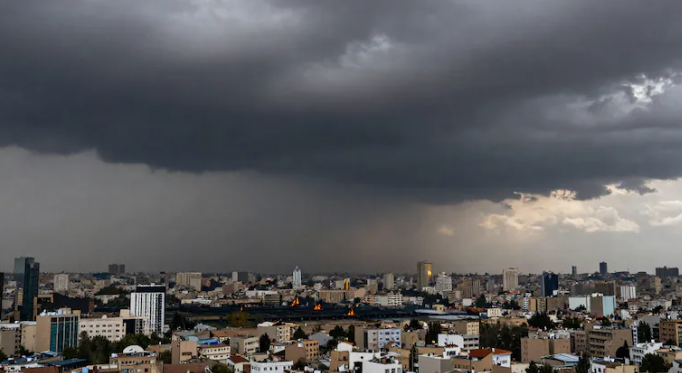
With Tehran blanketed in haze and residents reporting burning smells and blocked sunlight, WHO’s warning underscores the gravity of the crisis. As fires continue at oil facilities, the health risks from black rain highlight the devastating human cost of the escalating U.S.–Israeli campaign in Iran.

Tornadoes devastate Michigan and Oklahoma, killing at least four, injuring dozens, and prompting emergency declarations as recovery efforts continue.