Iran Strikes Back: U.S. Embassy Attacks, Hezbollah Escalation, and Trump’s “Too Late” Warning
Iran strikes U.S. embassy in Riyadh, Hezbollah escalates attacks, Trump warns “Too Late” for talks as energy markets and regional stability collapse.
Loading...

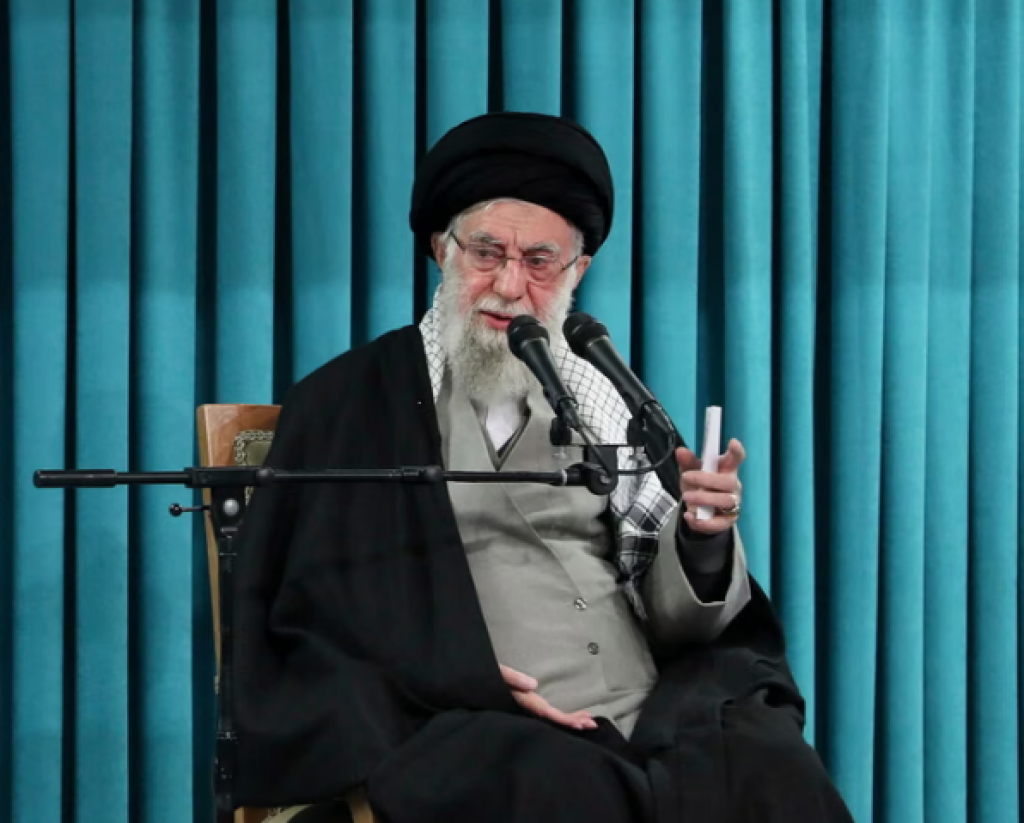
Iran’s Supreme Leader Ali Khamenei killed in U.S.–Israeli strikes, sparking mourning, retaliation threats, and a dangerous leadership void.
Iranian state television has confirmed the death of Supreme Leader Ali Khamenei, declaring 40 days of public mourning and seven days of public holidays. His passing, reportedly in a U.S.–Israeli airstrike on his compound in Tehran, marks the end of a 36‑year reign and opens a dangerous new chapter in Middle Eastern politics.
Table of contents [Show]
Celebrations were reported in Tehran, with citizens applauding from rooftops as news spread late Saturday.
President Donald Trump quickly claimed responsibility in a fiery post:
“Khamenei, one of the most evil people in history, is dead… This is the single greatest chance for the Iranian people to take back their country.”
Trump emphasized cooperation with Israel and warned of “heavy and pinpoint bombing” continuing throughout the week. He framed the strike as justice for Americans and allies harmed by Khamenei’s regime.
Hegseth reiterated: “If you kill or threaten Americans anywhere in the world — as Iran has — then we will hunt you down, and we will kill you.”
Khamenei’s death leaves Iran without a recognized successor. As Supreme Leader, he held ultimate authority over:
This vacuum raises questions about who will consolidate power and whether internal factions will clash during the mourning period.
Throughout his 36‑year reign, Ali Khamenei remained staunch in his hostility toward Israel and the United States, while resisting attempts to modernize Iran. His leadership shaped the Revolutionary Guard, the religious establishment, and Iran’s foreign policy, cementing the country’s role as a regional power and adversary of Western influence.
His reign shaped Iran’s foreign policy, cementing its role as a regional power and adversary of Western influence.
The death of Ali Khamenei is both a symbolic and strategic turning point. For the U.S. and Israel, it represents a decisive strike against a long‑time adversary. For Iran, it creates uncertainty, anger, and the potential for upheaval.
Whether this moment leads to liberation, retaliation, or prolonged instability will depend on how Iran’s fractured leadership and its people respond in the weeks ahead.

Iran strikes U.S. embassy in Riyadh, Hezbollah escalates attacks, Trump warns “Too Late” for talks as energy markets and regional stability collapse.