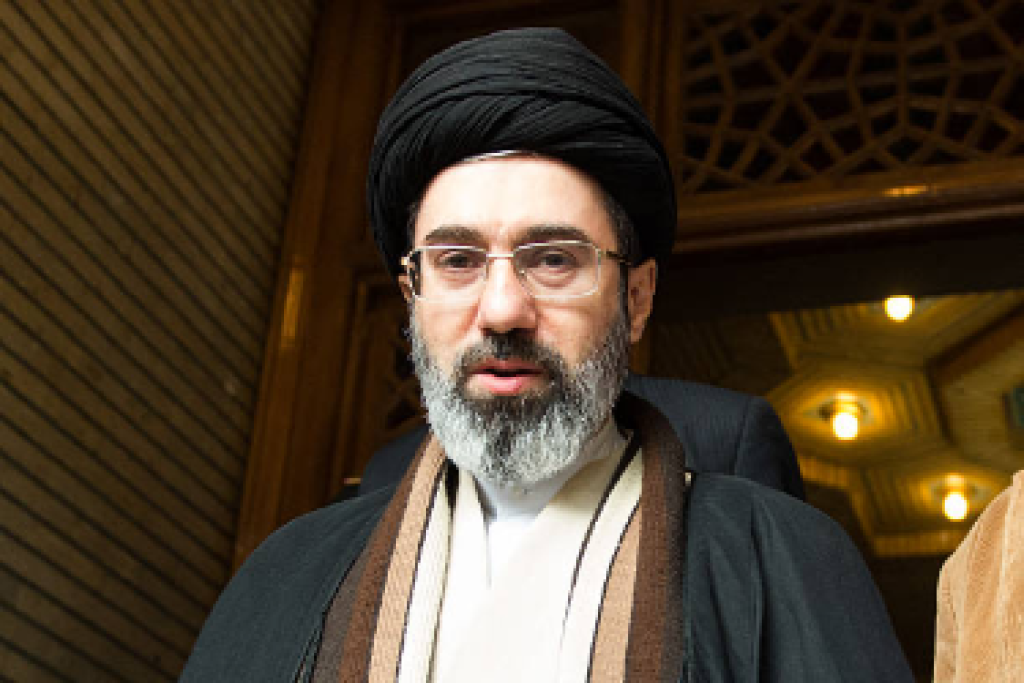
The Assembly of Experts has appointed Ayatollah Seyyed Mojtaba Hosseini Khamenei, 56, as Iran’s new Supreme Leader, succeeding his father Ali Khamenei. The decision comes at a time of unprecedented turmoil, with Iran facing its worst crisis in nearly five decades.
Appointment and Support
The Assembly of Experts, a body of 88 clerics, confirmed Mojtaba’s nomination just after midnight in Tehran. The military, political elites, and the powerful Islamic Revolutionary Guard Corps (IRGC) swiftly pledged loyalty, declaring themselves “ready for complete obedience and self‑sacrifice.”
President Masoud Pezeshkian hailed the appointment as the start of a “new era of dignity and strength,” emphasizing unity against external threats. Security chief Ali Larijani also praised the legal process, despite fears the Assembly itself could be targeted.
International Reaction
The succession has already drawn sharp responses abroad. U.S. President Donald Trump insisted Washington should have a say in the choice, warning, “He won’t last long if we don’t approve.” Israel had vowed to strike any successor even before the announcement, underscoring the heightened tensions.
Meanwhile, the U.S. ordered non‑emergency staff to leave its embassy in Saudi Arabia following Iranian attacks on American installations. The Pentagon confirmed a seventh U.S. casualty from last week’s clashes, while Iran reported more than 1,300 deaths from U.S.–Israeli strikes.
Economic Fallout
Global markets reacted sharply to the escalating conflict. Oil futures surged on fears of prolonged disruption in the Strait of Hormuz, with U.S. crude jumping over 20% and Brent climbing to $108.73 per barrel. Asian share futures fell, while Nasdaq and S&P 500 futures dropped more than 1.5%.
Trump downplayed the surge, calling it “a very small price to pay for US and world safety and peace,” and predicted prices would fall once Iran’s nuclear threat was “destroyed.”
Domestic Outlook
Mojtaba Khamenei, a cleric closely tied to the IRGC and Iran’s economic networks, is expected to continue his father’s hardline policies. Analysts note his limited political experience compared to Ali Khamenei, who served as president before becoming Supreme Leader in 1989.
Despite calls for unity, opposition voices remain. Reza Pahlavi, son of the deposed Shah, dismissed the succession as illegitimate and offered himself as a transitional leader from exile in the United States.
Mojtaba Khamenei’s rise marks a pivotal moment for Iran, solidifying clerical and military control while intensifying confrontation with the U.S. and Israel. With oil markets rattled and regional tensions escalating, his leadership begins under immense pressure — both at home and abroad.