Loading...

  • 26 Apr, 2026

Joe Kent Resigns as U.S. Counterterrorism Chief Over Iran War

Joe Kent Resigns as U.S. Counterterrorism Chief Over Iran War

Joe Kent resigns as U.S. counterterrorism chief, protesting Trump’s Iran war. His departure highlights dissent and questions about America’s Middle East strategy.

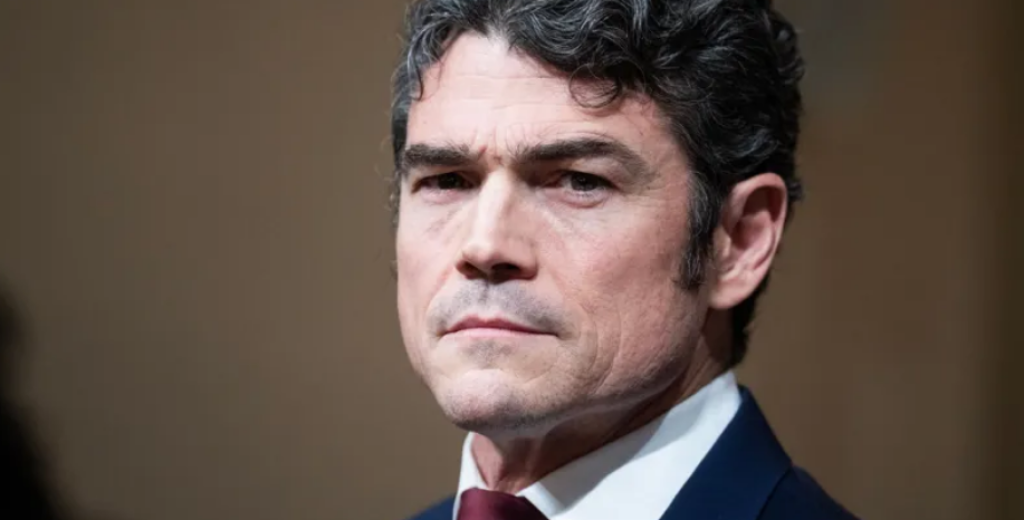
In a dramatic protest against the Trump administration’s military campaign in Iran, Joe Kent, director of the National Counterterrorism Center (NCTC), announced his resignation. Kent, an Army veteran with 11 overseas deployments, said he “cannot in good conscience” support a war he believes serves no benefit to the American people. His departure highlights growing dissent within Washington’s national security establishment.

The Resignation Letter

Kent posted his resignation letter on X, directly addressing President Trump:

  • “Until June of 2025, you understood that the wars in the Middle East were a trap that robbed America of the precious lives of our patriots and depleted the wealth and prosperity of our nation.”
  • He accused the president of being “tricked by Israel” into escalating the conflict.
  • He emphasized his military service and personal loss, noting that after his wife’s death he could not support sending “the next generation off to fight and die in a war that serves no benefit.”

Background on Joe Kent

  • Military Career: Served 11 overseas deployments, including Iraq with U.S. Army Special Forces.
  • CIA Service: Worked as a paramilitary officer after leaving the military.
  • NCTC Role: Oversaw analysis of global terrorist threats and advised the president directly.
  • Controversial Appointment: Barely confirmed by the Senate in July 2025 due to his support for far‑right conspiracy theories.

The NCTC and Its Importance

The National Counterterrorism Center, housed within the Office of the Director of National Intelligence, plays a critical role in:

  • Coordinating counterterrorism and counternarcotics operations.
  • Providing intelligence assessments to the president.
  • Identifying emerging global threats.

Kent’s resignation leaves a leadership gap at a time when U.S. forces are engaged in a volatile conflict with Iran.

Political Context

  • Trump Administration: The president’s second term has seen fewer resignations compared to his first, but Kent’s departure adds to a growing list of senior officials stepping down, including Ric Grenell and Margaret Ryan.
  • Tulsi Gabbard: As Director of National Intelligence, she has remained silent on the Iran war despite her past opposition to Middle East conflicts.
  • Congressional Oversight: Kent’s resignation may fuel debates in Congress about the legality and necessity of the war.

Implications of the Resignation

  • Policy Credibility: Losing the head of the NCTC undermines confidence in the administration’s counterterrorism strategy.
  • Civil-Military Divide: Kent’s protest reflects broader unease among veterans and military leaders about prolonged Middle East wars.
  • Public Perception: His resignation could resonate with Americans weary of foreign entanglements, reinforcing skepticism about the war’s purpose.

Historical Parallels

Kent’s resignation recalls other high‑profile departures in protest of U.S. wars:

  • Vietnam era officials who opposed escalation.
  • Iraq War resignations in the 2000s.
    Such acts often signal deeper fractures within government and can influence public opinion.

Broader Impact

  • On Counterterrorism: Leadership instability may hinder coordination against non‑Iranian threats, such as extremist groups in Africa and Asia.
  • On Foreign Policy: His claim that Israel pressured the U.S. into war could inflame debates about America’s alliances and strategic priorities.
  • On Trump’s Administration: While turnover has been lower than in his first term, Kent’s departure highlights the risks of internal dissent during wartime.

Joe Kent’s resignation is more than a personnel change — it is a political statement against the Iran war. His military background, personal sacrifices, and leadership role at the NCTC give weight to his protest. Whether his departure sparks broader opposition or remains an isolated act, it underscores the deep divisions over America’s role in the Middle East and the costs of continued conflict.

Your experience on this site will be improved by allowing cookies Cookie Policy