Iran Drone Strike Targets Kuwaiti Oil Tanker Off Dubai
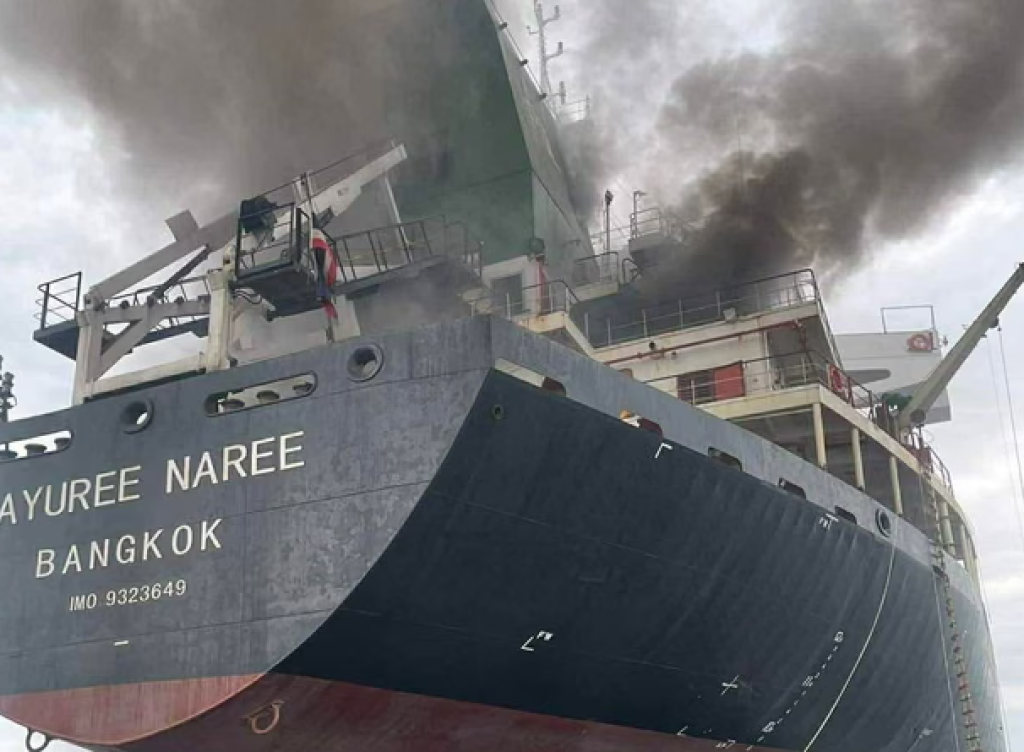
Iran drone strike hits Kuwaiti oil tanker off Dubai, igniting fire as Gulf tensions rise. Crude prices surge amid fears over Strait of Hormuz disruption.
Loading...

Iran escalates Gulf attacks, striking ships and airports as U.S. and Israel intensify strikes. Oil prices surge amid fears of a protracted war of attrition.
The Middle East conflict entered a more dangerous phase on Wednesday as Iran expanded its campaign against civilian infrastructure and transport networks across the Gulf. Strikes targeted Dubai’s international airport and multiple commercial ships, while U.S. and Israeli aircraft launched fresh rounds of attacks on Iranian territory. Senior Iranian officials warned of a protracted “war of attrition” that could destabilize the global economy by choking off energy supplies.
Table of contents [Show]
Violence spread across the region in the twelfth day of fighting. Israel continued its bombardment of Hezbollah positions in Lebanon, while Iranian missiles and Hezbollah rockets rained down on Israeli cities. Maritime authorities reported three cargo ships struck by “unknown projectiles” in the Strait of Hormuz, underscoring the vulnerability of one of the world’s most vital oil corridors.
Iran’s Revolutionary Guard claimed responsibility for some of the attacks, saying crews had ignored warnings. Among the vessels hit was a Japanese‑flagged container ship damaged off the coast of the United Arab Emirates, and two Marshall Islands‑flagged tankers attacked near Iraq. Rescue teams recovered at least one body, while dozens of crew members were saved.
The International Energy Agency (IEA) announced that 32 member states had unanimously agreed to release 400 million barrels of oil from emergency reserves, calling the situation “unprecedented.” Executive director Fatih Birol said the move was designed to counteract the “effective closure” of the Strait of Hormuz, which normally carries about 20 percent of global oil supplies.
Oil prices swung wildly throughout the day, climbing as high as $120 per barrel before settling near $92. President Donald Trump described the fluctuations as a “matter of war,” insisting prices were “already coming back down.” Analysts warned, however, that Iran’s vow to block “even a single litre of oil” from reaching the U.S., Israel, or their allies could trigger a sustained supply crisis.
U.S. intelligence reports suggested Iran may be preparing to mine the strait. In response, American forces struck sixteen mine‑laying vessels near the channel, destroying nine. Central Command urged civilians to avoid Iranian ports near the strait, warning they were being used for military operations.
Israel, meanwhile, launched new strikes on Hezbollah targets in Lebanon after rockets hit northern Israel. The Israeli military also reported fresh Iranian missile barrages across the Gulf.
The G7 issued a statement saying members were exploring the possibility of escorting commercial ships “when the right security conditions are in place.” The U.N. Security Council passed a resolution condemning Iran’s “egregious attacks” on Gulf neighbors, but Tehran showed no signs of altering course.
Iranian spokesman Ebrahim Zolfaqari warned global markets to “get ready for oil at $200,” blaming the U.S. and Israel for destabilizing regional stability.
Beyond the economic fallout, the attacks have heightened risks for sailors and port workers across the Gulf. Maritime risk firms reported minor damage to several ships, including the Japanese‑flagged ONE Majesty and the Marshall Islands‑flagged Star Gwyneth, both struck while anchored. Owners confirmed crews were safe, but the incidents highlight the dangers of operating in waters now effectively militarized.
Iran’s escalation against Gulf shipping and infrastructure marks a turning point in the conflict, transforming the Strait of Hormuz into a global flashpoint. With oil prices volatile, shipping disrupted, and military strikes intensifying, the standoff threatens not only regional stability but also the broader world economy. For now, emergency oil releases may cushion the blow, but the longer the strait remains blocked, the greater the risk of a prolonged supply shock.
Iran drone strike hits Kuwaiti oil tanker off Dubai, igniting fire as Gulf tensions rise. Crude prices surge amid fears over Strait of Hormuz disruption.
Ali Larijani, Iran’s top strategist, killed in Israeli strike. His death deepens leadership crisis after Khamenei’s assassination amid escalating war.
Iran detains dozens accused of spying for Israel amid escalating war. Authorities link arrests to U.S.–Israeli strikes and crackdown on dissent.