OpenAI’s Defense Pact: Sam Altman’s Agreement with the Department of War Sparks Rivalry with Anthropic
OpenAI secures a defense pact with the Department of War, sparking rivalry with Anthropic over AI ethics, surveillance, and autonomous weapons.
Loading...

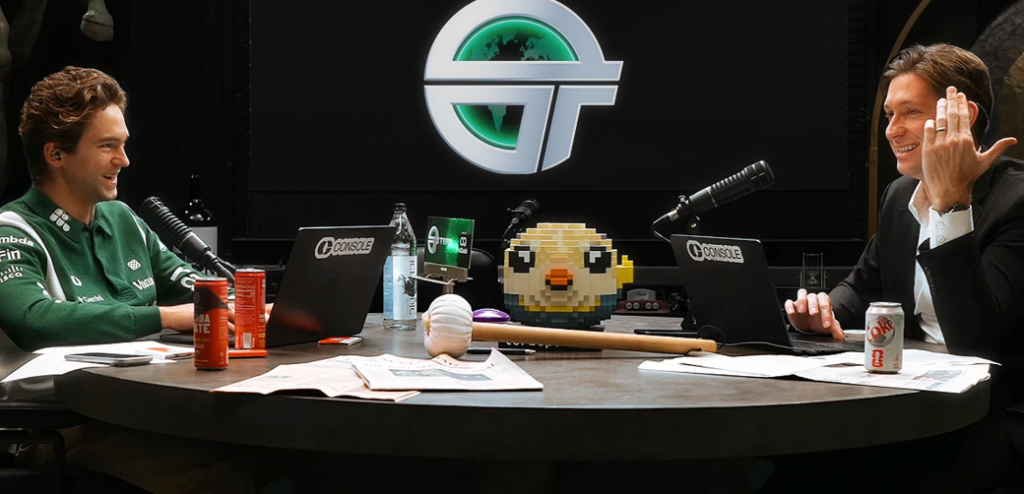
OpenAI acquires TBPN tech show, expanding into media. Hosts retain independence as AI giant seeks to shape global conversations on technology.
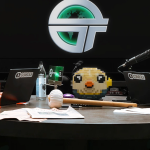
OpenAI has acquired TBPN, a fast‑growing online tech show known for its long‑form interviews with AI executives, venture capitalists, and industry leaders. The deal marks a surprising move into media for OpenAI, which recently shelved its Sora video‑generation tool to focus on AI coding products.
Table of contents [Show]
Launched in March 2025, TBPN quickly built a reputation for candid, three‑hour livestreams featuring guests from Meta, Microsoft, Palantir, Andreessen Horowitz, and even competitors like Bloomberg and CNBC. The show airs daily at 2 p.m. PT across platforms including YouTube, X (Twitter), Spotify, Apple Podcasts, LinkedIn, Substack, and Instagram.
According to the Wall Street Journal, TBPN averages 70,000 viewers per episode, employs 11 staff, and generated $5 million in ad revenue in 2025. The company projected more than $30 million in revenue for 2026, making it one of the most profitable independent tech media startups.
OpenAI said the acquisition will help it “better communicate its aims and drive the conversation around the changes AI brings.” CEO Sam Altman emphasized that TBPN will retain editorial independence, with hosts Jordi Hays and John Coogan continuing to select guests and shape content.
Chris Lehane, OpenAI’s chief global affairs officer, will oversee TBPN within the company’s strategy division. The move signals OpenAI’s intent to influence how AI developments are discussed publicly, while still allowing TBPN to critique the industry.
Co‑founder Jordi Hays noted that TBPN had “a front‑row seat to the entire ecosystem” and praised OpenAI’s openness to criticism. John Coogan, who has worked with Altman for over a decade, called the acquisition “a full circle moment,” recalling Altman’s early investment in his first startup.
Both hosts expressed excitement about having more resources to expand the show, while promising to maintain its credibility and independence.
The acquisition comes as OpenAI pivots away from consumer video tools like Sora to focus on enterprise‑grade AI coding solutions. Entering the media space was unexpected, but analysts suggest it could help OpenAI shape narratives around AI regulation, ethics, and adoption.
TBPN’s sponsorships from fintech firms Ramp and Plaid, Google’s Gemini, and the New York Stock Exchange highlight its growing influence in the tech and finance sectors.
Beyond the acquisition, TBPN has become a hub for:
The show’s inclusivity and global reach — with audiences across North America, Europe, and Africa — make it a cultural bridge between Silicon Valley and the wider world.
With OpenAI’s resources, TBPN is expected to expand further:
By acquiring TBPN, OpenAI is not just investing in a media platform — it is positioning itself at the center of the conversation about AI’s future. With TBPN’s credibility and OpenAI’s resources, the partnership could reshape how industry leaders, policymakers, and the public engage with the fast‑moving world of artificial intelligence.
OpenAI secures a defense pact with the Department of War, sparking rivalry with Anthropic over AI ethics, surveillance, and autonomous weapons.