
Fears of a protracted confrontation in the Middle East intensified Thursday as Iran stepped up attacks on oil and transport infrastructure across the region. The renewed violence has disrupted shipping through the Strait of Hormuz, one of the world’s most critical energy corridors, sending Brent crude prices surging above $100 per barrel.
Table of contents [Show]
Attacks on Shipping
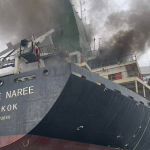
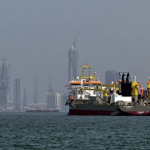
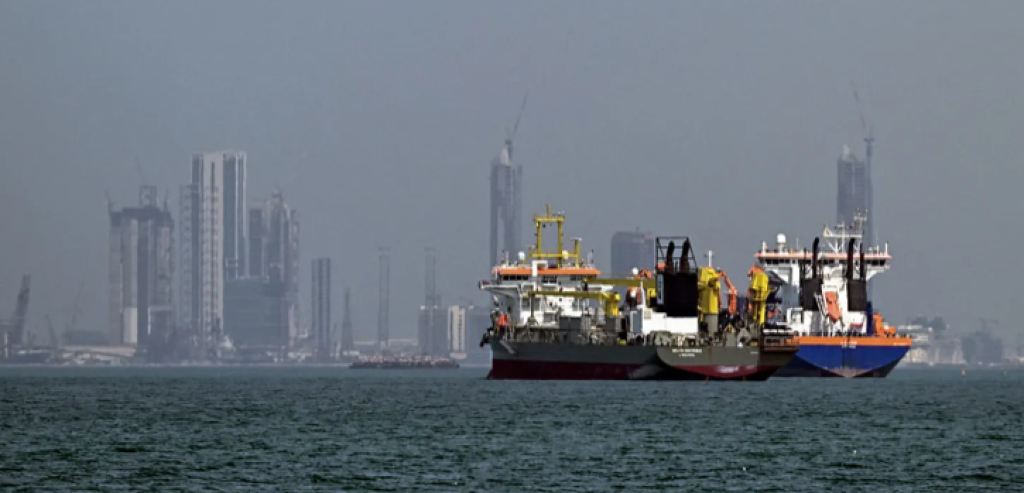
Authorities reported that three foreign vessels were struck overnight in the Persian Gulf. The United Kingdom Maritime Trade Operations (UKMTO) center confirmed that a container ship was hit by an unidentified projectile 35 nautical miles north of Jebel Ali, near Dubai. A small fire broke out, but the crew escaped unharmed.
Earlier in the day, two oil tankers were attacked near Iraq’s port of Umm Qasr, leaving both vessels burning. Iraqi port officials said at least one person was killed and 38 crew members rescued. These incidents add to a growing list of assaults on commercial shipping since U.S. and Israeli airstrikes on Iran began on February 28.
Regional Energy Infrastructure Under Fire
Iranian drones also targeted Oman’s energy facilities, igniting large fires at the Mina petroleum plant near Salalah. As a precaution, authorities evacuated ships from the nearby Mina Al Fahal terminal, which processes about one million barrels of crude daily. The strikes highlight Iran’s ability to threaten export hubs beyond the Strait of Hormuz, widening the scope of disruption.
Global Market Reaction
The attacks triggered sharp movements in financial markets. Brent crude jumped 9 percent, extending a rally of nearly 38 percent since the war began. Concerns about inflation and borrowing costs pushed stocks lower, while U.S. Fed funds futures fell as traders scaled back expectations for interest rate cuts this year.
To stabilize prices, the International Energy Agency announced a record release of 400 million barrels from emergency reserves, including 172 million from the U.S. Strategic Petroleum Reserve. Analysts, however, warned the move may only provide temporary relief. “Disruptions to shipments through the Strait of Hormuz and production halts in key countries could cause a long‑term supply crunch,” said Tina Teng, strategist at Moomoo ANZ.
Strategic Importance of the Strait
The Strait of Hormuz connects the Persian Gulf to the Indian Ocean and carries roughly one‑fifth of global oil supplies. With shipping through the strait largely halted, Iran has demonstrated its leverage over global energy markets. Analysts caution that prolonged disruption could trigger inflationary shocks worldwide, complicating monetary policy in advanced economies.
International Response
The U.N. Security Council on Wednesday passed a resolution condemning Iran’s “egregious attacks” on Gulf neighbors and calling for an immediate halt. Yet Tehran has shown no signs of backing down. Iranian forces continue to strike vessels and regional energy infrastructure, framing the attacks as retaliation for U.S. and Israeli military operations.
Iran’s escalating campaign against Gulf shipping and energy facilities has transformed the Strait of Hormuz into a flashpoint with global repercussions. With oil prices climbing and financial markets rattled, the conflict threatens not only regional stability but also the broader world economy. For now, emergency stockpile releases may cushion the blow, but the longer the strait remains closed, the greater the risk of a sustained supply crisis.