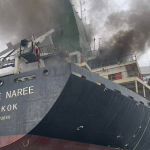
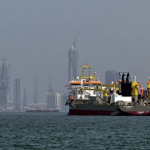
Iran Drone Strike Targets Kuwaiti Oil Tanker Off Dubai
Iran drone strike hits Kuwaiti oil tanker off Dubai, igniting fire as Gulf tensions rise. Crude prices surge amid fears over Strait of Hormuz disruption.
Loading...

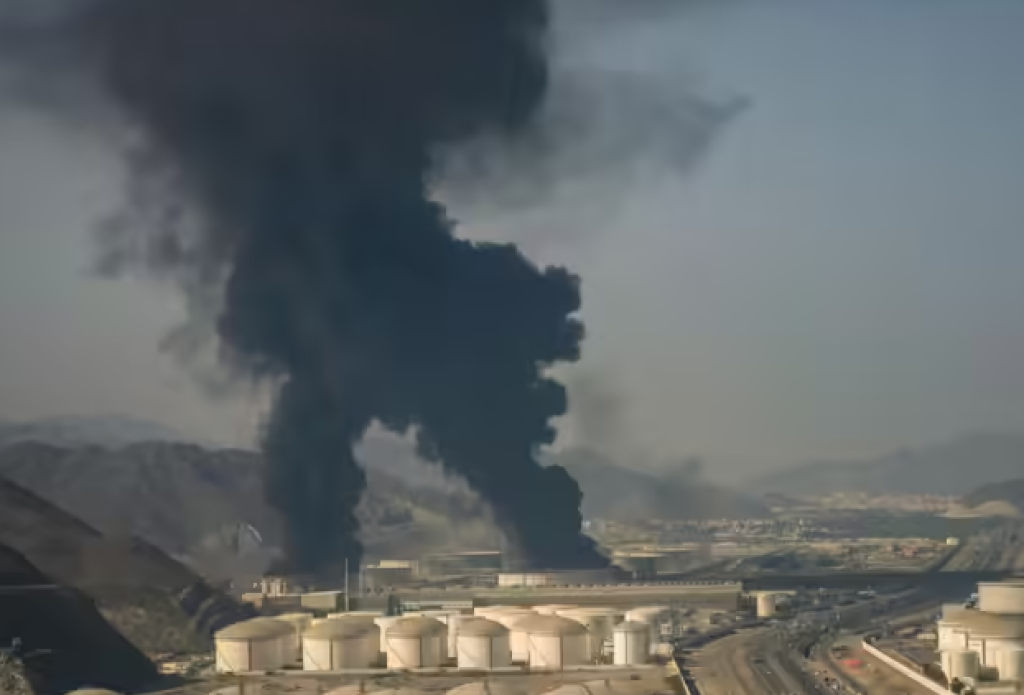
Iran detains dozens accused of spying for Israel amid escalating war. Authorities link arrests to U.S.–Israeli strikes and crackdown on dissent.
Iranian authorities announced on March 15, 2026, that dozens of individuals had been detained on suspicion of spying for Israel, in what officials described as a major counter‑espionage operation. The arrests, spread across multiple provinces, underscore the intensifying shadow war between Iran, Israel, and the United States following the assassination of Supreme Leader Ayatollah Ali Khamenei in February.
According to the semi‑official Tasnim news agency, twenty people were taken into custody in West Azerbaijan Province after investigators alleged they were providing Israel with the location of military and security assets. Provincial prosecutor Hossein Majidi told Fars news agency that the suspects were “sending details of military, law enforcement and security locations to the Zionist enemy.” In northeastern Iran, ten more individuals were arrested for allegedly gathering intelligence on economic infrastructure and sensitive sites.
The Revolutionary Guards’ intelligence branch claimed that Israel and the United States were attempting to destabilize the country by recruiting “mercenaries and spies” to stir unrest. Officials said Israeli forces had been targeting checkpoints and military positions based on tip‑offs from sources inside Iran. The arrests come amid a surge in Israeli and American bombing raids across the country, part of the wider conflict that erupted after Khamenei’s death on February 28.
Just days earlier, Iran’s Intelligence Ministry announced the detention of thirty people, including a foreign national accused of working on behalf of both the United States and Israel. Authorities alleged that the individual was also serving as a proxy for two Gulf nations, further widening the scope of the espionage claims.
The crackdown has extended beyond alleged spies to those accused of collaborating with foreign media. On March 15, the official IRNA news agency reported that a man had been arrested in Qazvin Province for providing information to Iran International, a London‑based television channel that Tehran banned in January. Police said the suspect was using a Starlink satellite terminal, a technology prohibited in Iran but increasingly employed by citizens to bypass censorship and connect to the outside world.
These arrests unfold against a backdrop of unprecedented turmoil inside Iran. In January, weeks before the war began, the government carried out the deadliest crackdown in the Islamic Republic’s history to suppress nationwide protests. Authorities accused the United States and Israel of inciting “violent riots” aimed at toppling the regime. Since then, Iran has been largely cut off from the outside world, with internet restrictions tightened and foreign media branded as hostile.
The use of Starlink terminals highlights the growing role of technology in Iran’s information battles. While the government insists that such tools are illegal, many Iranians have turned to satellite internet to access uncensored news and communicate with the outside world. Tehran has labeled Iran International “affiliated with the Zionist regime” and banned all interaction with the outlet, framing its broadcasts as part of a broader campaign of psychological warfare.
For Iran’s leadership, the arrests serve both as a warning to citizens and as evidence of foreign interference. For critics, however, they represent another step in a campaign of repression designed to silence dissent and consolidate control during wartime. International observers note that the scale of detentions suggests a new phase in Iran’s confrontation with Israel and the United States, one that blends military strikes with intelligence warfare and information control.
Iran drone strike hits Kuwaiti oil tanker off Dubai, igniting fire as Gulf tensions rise. Crude prices surge amid fears over Strait of Hormuz disruption.
Ali Larijani, Iran’s top strategist, killed in Israeli strike. His death deepens leadership crisis after Khamenei’s assassination amid escalating war.
Iran escalates Gulf attacks, striking ships and airports as U.S. and Israel intensify strikes. Oil prices surge amid fears of a protracted war of attrition.