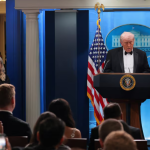
Chaos at the Correspondents’ Dinner: Trump Reacts After Gunman Breaches Security
Gunfire erupted at the White House Correspondents’ Dinner as a gunman breached security. Trump was rushed out safely; suspect Cole Allen faces federal charges.
Loading...

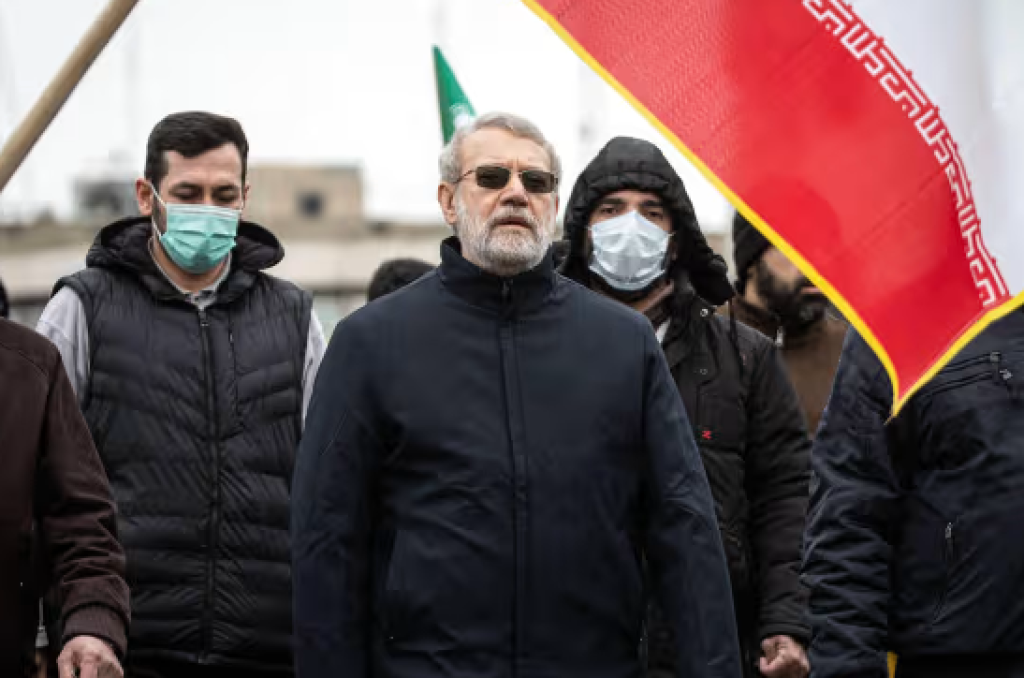
Ali Larijani, Iran’s top strategist, killed in Israeli strike. His death deepens leadership crisis after Khamenei’s assassination amid escalating war.
Iran’s Supreme National Security Council confirmed the death of its secretary, Ali Larijani, in an Israeli bombing that also killed his son Morteza Larijani, Alireza Bayat (chief of his office), and several guards. Israel hailed the strike as a major setback for Iran’s leadership, coming just weeks after the death of Supreme Leader Ayatollah Ali Khamenei in U.S.–Israeli bombings that ignited the ongoing war.
Table of contents [Show]
Although not a cleric and therefore ineligible to succeed Khamenei as supreme leader, Larijani was widely regarded as one of the most powerful figures in Iran’s political system.
Larijani’s death removes a key strategist at a time when Iran’s leadership is fragmented and operating underground.
Israel described the strike as a decisive blow, eliminating both Larijani and Gen. Gholam Reza Soleimani, commander of the Basij division of the Revolutionary Guard. Israeli officials argue that removing such figures weakens Iran’s ability to coordinate military and political responses.
Larijani’s career reflects the trajectory of Iran’s political elite:
His death marks the end of a chapter in Iran’s political history, removing a figure who bridged conservative ideology with pragmatic diplomacy.
Ali Larijani’s killing is more than the loss of a senior official; it is a turning point in Iran’s war‑time leadership. With Khamenei gone and Larijani eliminated, Iran faces a leadership vacuum that could reshape its domestic politics and foreign policy. For Israel and the U.S., the strike is a tactical success. For Iran, it is a destabilizing blow at a moment of existential crisis.
Gunfire erupted at the White House Correspondents’ Dinner as a gunman breached security. Trump was rushed out safely; suspect Cole Allen faces federal charges.
Pope Leo XIV rebukes Trump’s criticism, insisting the Church’s mission is peace. Vatican calls for reconciliation amid U.S.–Iran conflict tensions.
ZANU‑PF is pushing a controversial constitutional amendment in Zimbabwe to extend presidential powers and weaken direct voting rights. Public hearings have been marred by violence, intimidation, and bussing of supporters, raising fears of democratic backsliding.